
Urban Equations Lab

Origins / The conviction behind the lab

We built the company
we had spent our
careers trying to hire.

We believe there is far more to understand.

Follow the thought
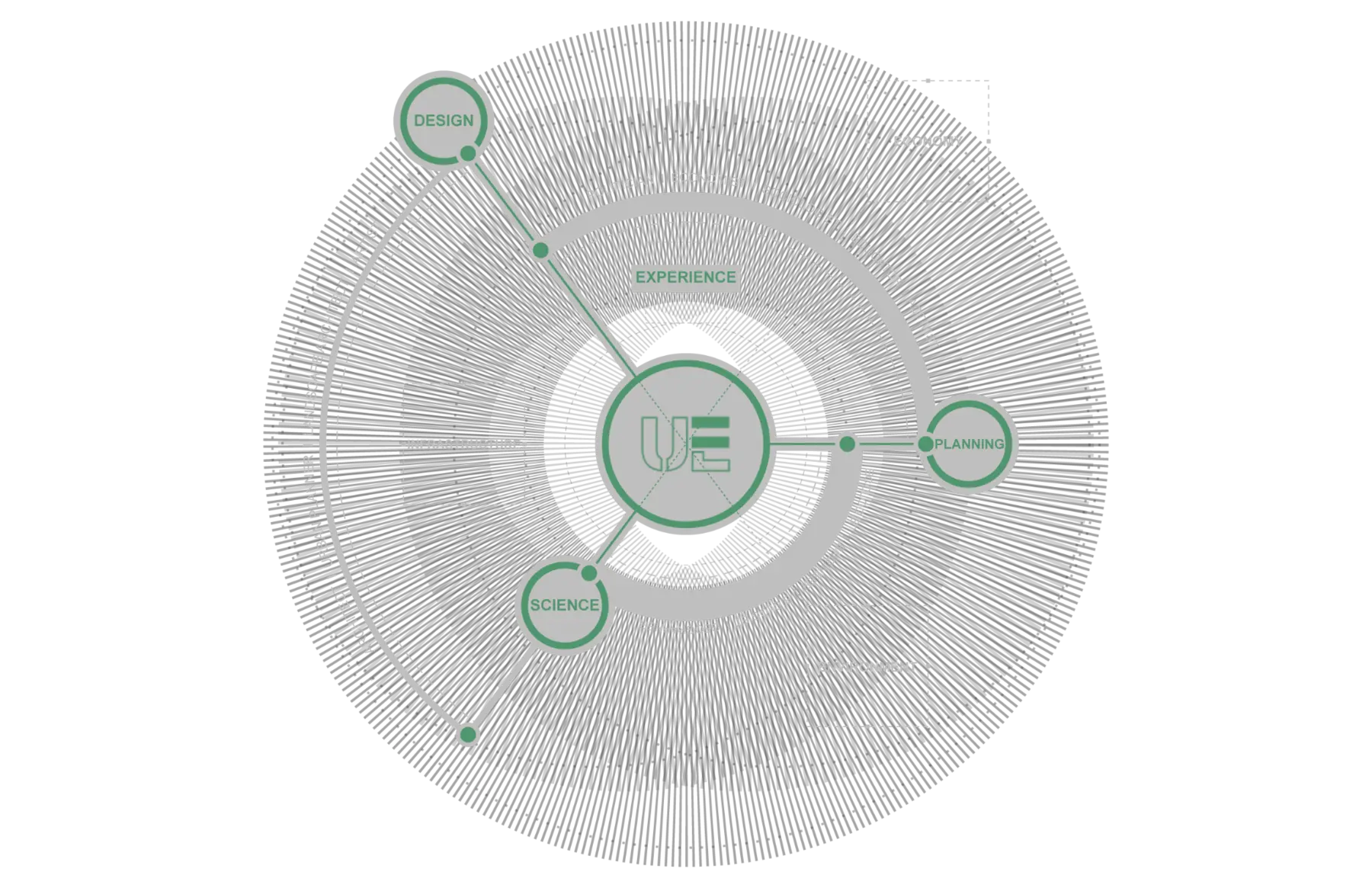
Design. Planning. Science.

A place is full
of relationships.

A physical change alters a financial outcome. A shift in behavior changes demand. An overlooked connection opens a possibility.

Those relationships fascinate us. How does a physical choice change demand, timing and the capital a place needs?

We believe mathematics gives us a way to explore them. To uncover patterns. To understand how changing one part of a project can change everything around it.

We built Urban Equations Lab to keep asking those questions. We intend to keep going.

Where the idea took shape

We kept meeting
the same question.

Our work took us through location strategies, investments, developments and master plans. Each specialist brought a valuable perspective. Connecting those perspectives into one decision remained the owner’s responsibility.

We wanted to explore the whole decision: market evidence, physical conditions, capital, operations and human experience. Together.

02 / The founders

Three perspectives.
A shared conviction.

Real estate experience brought us to the question.
Curiosity brought us together.

Scott Gassen

Strategy & integration

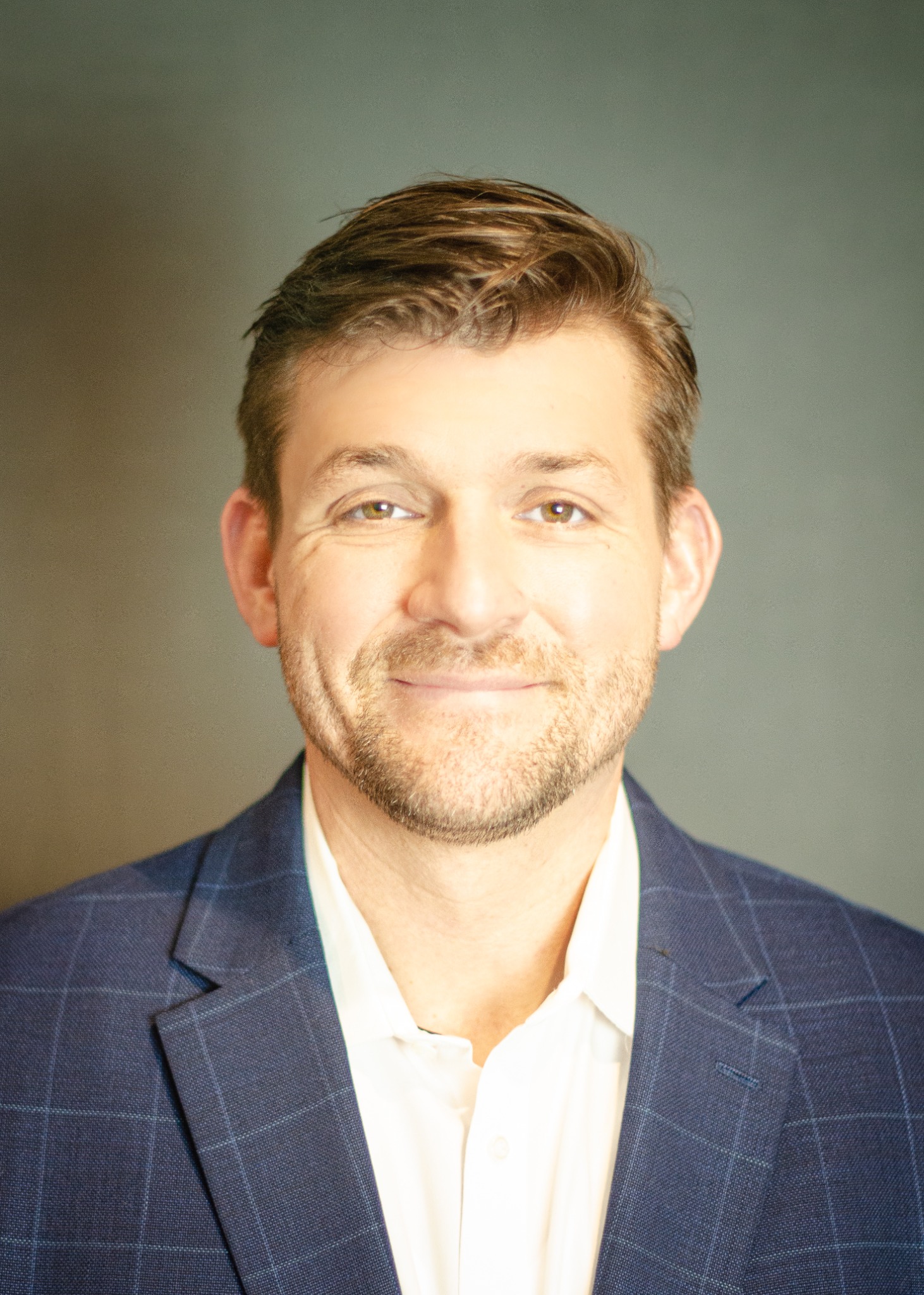
Scott Gassen

Scott connects investment, design, development and execution. His perspective comes from the decisions that turn an idea into a physical, financeable project.

The question that connects the disciplines

Where should we look differently? Scott helps frame the problem, connect the people and translate an ambitious idea into an executable strategy.
Francis Cappello

Capital & transactions

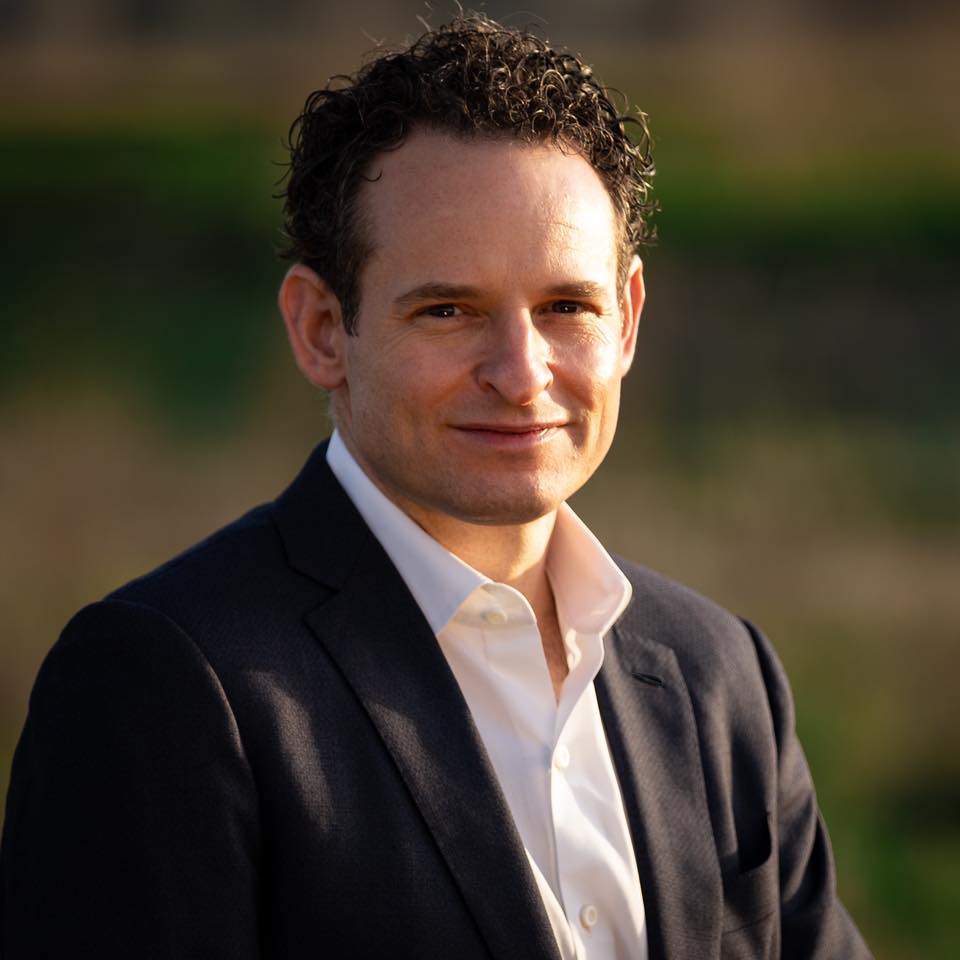
Francis Cappello

Frank approaches the work through capital, transactions and development. He brings the perspective of what an opportunity needs to attract investment and move forward.

The conditions that make an opportunity possible

What must be true for this to work? Frank connects the thesis to diligence, financing and the structure of the opportunity.

Matthew Huber

Applied intelligence

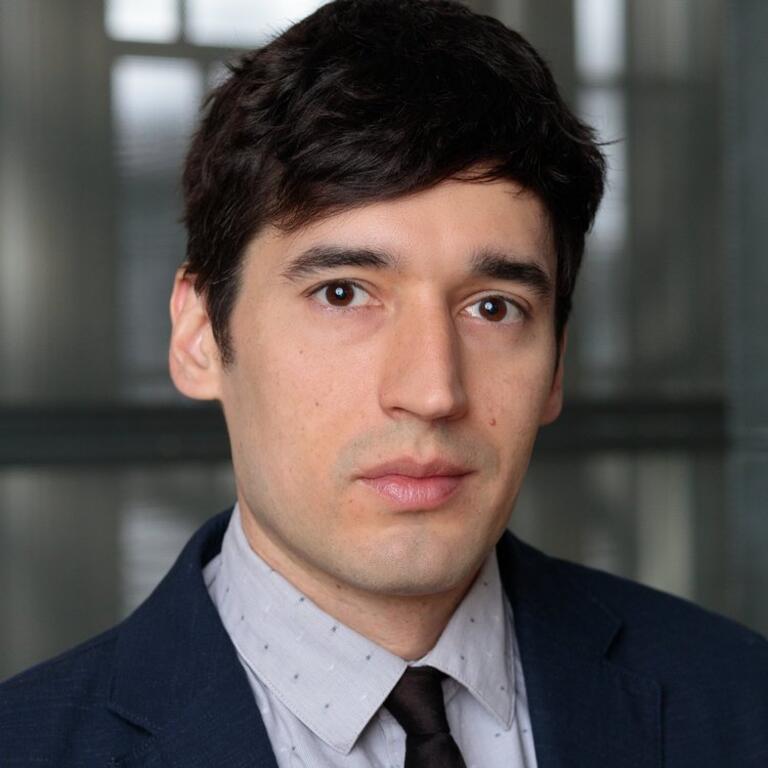
Matthew Huber

Matt brings architecture, planning and research into the lab. He builds the models, forecasts and spatial systems that give a question analytical form.

The relationships inside the question

What can the evidence reveal? Matt connects mathematical methods to the physical and economic systems that shape real estate.

03 / What keeps us going

There is more
to understand.

We follow questions because we believe they are worth understanding. The work keeps giving us new ones.

Perceptive Places, TESSERA and groundworx give that thinking a place to be useful: in complex assignments, institutional workspaces and everyday real estate decisions.

We will keep asking. Keep learning. Keep building.